2000s streetwear fashion men: Style Guide, Trends, Looks, and Outfit Ideas
Explore the definitive style guide to 2000s men's streetwear, detailing iconic trends, essential looks, and practical outfit ideas for authentic integration.

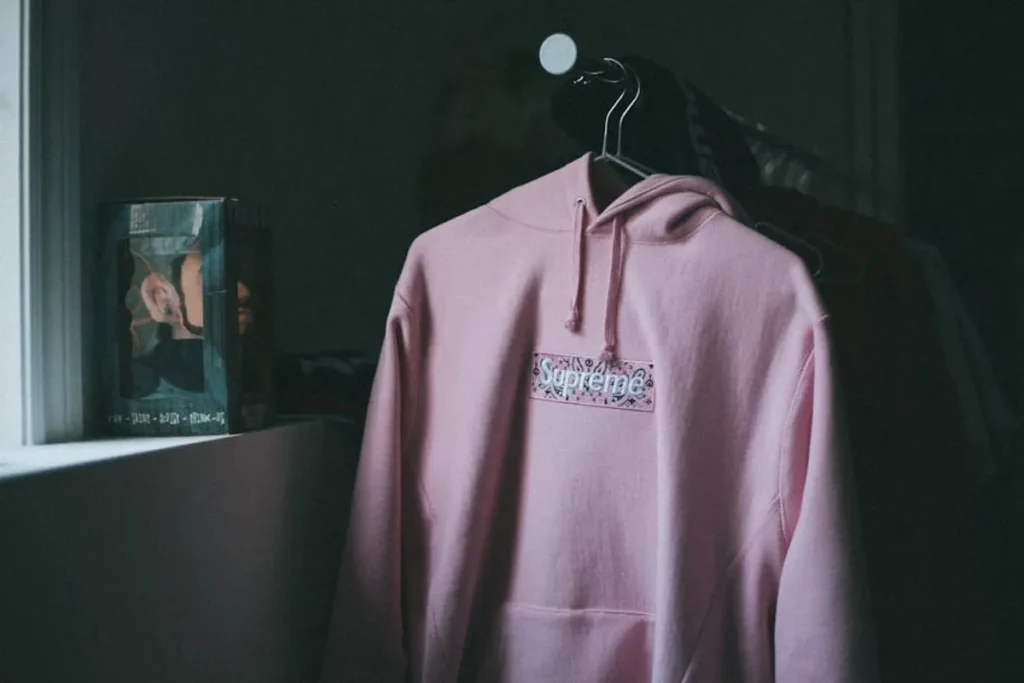
Explore the definitive style guide to 2000s men's streetwear, detailing iconic trends, essential looks, and practical outfit ideas for authentic integration.
The 2000s ushered in a distinct era for men’s streetwear, moving away from the grunge and minimalist aesthetics of the previous decade towards a more relaxed, logo-driven, and often oversized silhouette. This period was heavily influenced by hip-hop culture, extreme sports, and the burgeoning celebrity landscape, shaping a style that prioritized comfort, statement pieces, and visible brand affiliation. Understanding this specific aesthetic is crucial for anyone looking to authentically integrate 2000s streetwear elements into a contemporary wardrobe or to accurately represent the era's fashion.
The core of 2000s men's streetwear lay in its deliberate departure from tailored fits. This was a period of embracing volume and a casual, often rebellious, attitude towards traditional menswear. The visual language was clear: comfort, confidence, and a certain level of swagger.
Baggy was the prevailing fit. Jeans, in particular, were cut wide through the leg and often sat low on the waist, creating a relaxed, almost slouchy profile. This wasn't merely a comfort choice; it was a stylistic statement, often paired with equally voluminous graphic tees or oversized jerseys. Tracksuits, especially those in velour or shiny nylon, became a staple, worn as complete sets or mixed with other casual items. The emphasis was on a relaxed drape that allowed for freedom of movement, reflecting the active lifestyles often associated with the culture.
Material choices reinforced the casual, often athletic-inspired direction. Denim, primarily in medium to dark washes, was a constant, frequently featuring distressing, whiskering, or elaborate embroidery on the back pockets. Velour gained significant traction, especially in tracksuits, offering a plush, luxurious feel that contrasted with the inherently casual garment. Nylon and polyester were prevalent for athletic wear and outerwear, providing a lightweight, often shiny finish. Mesh, particularly in sports jerseys, contributed to the athletic undertone, offering breathability and a distinct visual texture.
Visibility was a key component of 2000s streetwear. Brands that prominently displayed their logos, often in large, bold lettering or intricate graphics, found significant traction. This wasn't just about brand recognition; it was about aligning with a specific cultural identity. The proliferation of music videos and celebrity endorsements amplified the reach of these brands, turning their apparel into aspirational symbols. The impact was profound, shifting consumer focus towards identifiable labels as a marker of style and status within specific subcultures.
Specific garments and accessories became synonymous with the 2000s streetwear look, each playing a role in defining the era's sartorial landscape.
Denim was arguably the most foundational element. Wide-leg and bootcut jeans were ubiquitous, often featuring heavy distressing, rips, and fades that conveyed a worn-in, authentic feel. Elaborate pocket embroidery, often with brand logos or abstract designs, became a signature detail. The rise of "stacked" denim, where excess fabric at the ankle created folds above the shoe, further contributed to the distinct silhouette.
The lines between athletic gear and casual fashion blurred significantly. Full tracksuits, whether in plush velour or sleek nylon, transitioned from gym wear to everyday attire. Basketball jerseys, often oversized and worn over plain white tees, became a common sight, reflecting the sport's cultural dominance. Hoodies, particularly those with large front pockets and prominent logos, were essential layering pieces, offering both warmth and a strong visual statement.
Headwear provided a crucial finishing touch. Fitted baseball caps, often worn slightly askew, and trucker hats with foam fronts and mesh backs, were popular choices. Bandanas, worn under caps or tied around the head, added an extra layer of street credibility. Footwear was dominated by specific sneaker models, particularly classic basketball shoes and skate shoes, chosen for their robust construction, distinctive designs, and cultural cachet. These weren't just functional items; they were central to the overall aesthetic.
Recreating the 2000s streetwear aesthetic involves understanding how these individual elements combined to form cohesive outfits.
A quintessential casual look involved baggy, distressed denim paired with an oversized graphic tee. The graphic tee often featured bold typography, cartoon characters, or brand logos. This was typically layered with an unbuttoned flannel shirt or a zip-up hoodie. Footwear would be a pair of chunky sneakers, and a fitted cap or bandana completed the ensemble. The overall impression was one of effortless cool and relaxed confidence, prioritizing comfort without sacrificing statement.
For slightly more polished occasions, the core elements remained, but with subtle refinements. Darker wash, less distressed baggy jeans could be paired with a clean, well-fitting (though still relaxed) button-down shirt, perhaps with subtle embroidery. A bomber jacket or a clean, simple tracksuit top could serve as outerwear. Footwear might shift towards cleaner leather sneakers or even specific boot styles that maintained a rugged, urban edge. The key was to maintain the relaxed silhouette while opting for cleaner lines and less overt branding.
Pro Tip: When sourcing 2000s streetwear pieces, prioritize fit over brand name. An authentic silhouette in a neutral tone will often yield a more versatile and credible look than an ill-fitting, heavily branded item. Focus on the cut of jeans and the drape of a tee to capture the era's relaxed ethos.
While a full head-to-toe 2000s look can feel like a costume, selectively incorporating elements allows for a modern interpretation.
Instead of replicating entire outfits, consider integrating one or two key 2000s elements. For example, pair a modern, minimalist top with a pair of wide-leg, non-distressed jeans to nod to the era's silhouette without being overtly retro. Similarly, a pair of iconic 2000s sneakers can elevate an otherwise contemporary outfit, providing a focal point. The goal is to borrow the spirit of the era – comfort, bold lines – and blend it with current trends.
The oversized nature of 2000s streetwear can be challenging to integrate into modern aesthetics, which often lean towards more tailored or balanced proportions. When adopting baggy pieces, consider balancing them with slimmer counterparts. For instance, pair a voluminous top (like an oversized hoodie) with a more tapered cargo pant, or wide-leg jeans with a relatively fitted (but not tight) top. This creates visual harmony and prevents the look from appearing shapeless or unkempt, maintaining a deliberate stylistic choice.
Mastering 2000s streetwear involves more than just acquiring period-specific items; it's about understanding the underlying principles that defined the era. Focus on the relaxed fit, the strategic use of branding (whether subtle or overt), and the integration of athletic-inspired elements. Experiment with layering and texture to build depth in your outfits. The most effective approach is to draw inspiration from the era's confidence and self-expression, adapting its core tenets to fit a personal style rather than a strict historical recreation.
2000s streetwear for men is characterized by oversized and baggy silhouettes, prominent brand logos, heavy influence from hip-hop and athletic wear, and specific materials like velour, distressed denim, and nylon.
Yes, baggy jeans have seen a significant resurgence in modern streetwear, often styled with contemporary tops and footwear to create a balanced, updated look that pays homage to earlier trends without being a direct replica.
Authentic 2000s streetwear can be found through vintage stores, online resale platforms, and specialized retro fashion boutiques. Focus on specific cuts, washes, and brand styles that were prominent during the era.
Avoid wearing too many oversized pieces simultaneously, which can overwhelm the silhouette. Also, steer clear of excessive, clashing brand logos, and ensure your footwear complements the overall relaxed, urban aesthetic rather than contrasting sharply.
Be the first to mark this page