Best Script Fonts for Wedding Invitations
Discover the best script fonts for wedding invitations, evaluating their design nuances, legibility, and commercial licensing for elegant stationery. Select th…

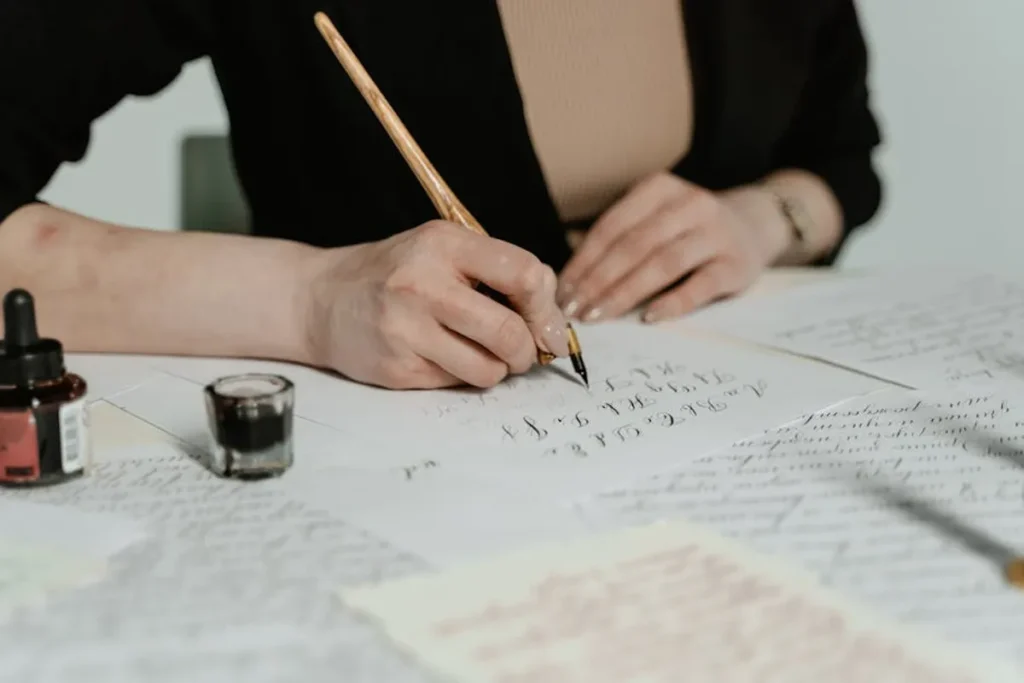
Discover the best script fonts for wedding invitations, evaluating their design nuances, legibility, and commercial licensing for elegant stationery. Select th…
Selecting the right script font for wedding invitations involves more than aesthetic preference; it requires a practical assessment of legibility, character set versatility, and licensing suitability for print production. The chosen typeface must convey the desired tone—be it formal elegance, casual charm, or modern sophistication—while remaining clear and readable across various print sizes and materials. This curated selection examines popular and distinctive script fonts, detailing their design characteristics, practical applications, and potential limitations to guide informed decisions for wedding stationery.
Before committing to a script font, evaluate its functional attributes alongside its visual appeal. High legibility is paramount, especially for guest names and event details, which often appear in smaller point sizes. Look for fonts with clear letterforms, appropriate spacing, and distinct characters to prevent ambiguity. Character set depth is also critical; many script fonts offer stylistic alternates, ligatures, and swashes that can elevate the design, but a limited set can restrict creative options. Consider the font's overall weight and contrast—thicker strokes enhance readability on textured paper, while delicate lines suit smooth, fine art stocks. Finally, always verify the licensing terms for commercial use, including print and digital applications, to avoid copyright issues during production.
Great Vibes is an elegant, flowing script font characterized by its graceful connections and subtle swashes. Its design strikes a balance between formality and approachability, making it a versatile choice for wedding stationery that aims for classic sophistication without being overly ornate. The letterforms maintain good legibility even at moderate sizes, a crucial factor for invitation body text and detail cards.
Best for: Formal wedding invitations, RSVP cards, menu headings, and envelope addressing where a touch of classic elegance is desired.
Pros:
Cons:
Verdict: A reliable and aesthetically pleasing choice for traditional and semi-formal wedding invitations, offering solid legibility and a polished look that appeals to a broad audience.
Alex Brush presents a refined, slightly more upright script than Great Vibes, offering a clean and contemporary take on classic calligraphy. Its letterforms are distinct and well-spaced, contributing to its excellent legibility. The connections are fluid but controlled, imparting a sense of understated elegance that works well for modern and traditional wedding themes alike.
Best for: Main invitation headings, couple's names, formal announcements, and elegant branding elements across the wedding suite.
Pros:
Cons:
Verdict: An excellent workhorse script font for wedding invitations, valued for its clarity and adaptable elegance, making it a safe and stylish choice for critical text elements.
Sacramento is a casual, hand-lettered script font with a warm, friendly appeal. Its slightly imperfect, brush-like strokes give it an authentic, personal touch, reminiscent of natural handwriting. This font exudes a relaxed charm, making it suitable for less formal or bohemian wedding aesthetics where a handcrafted feel is desired.
Best for: Casual wedding invitations, rustic event signage, informal RSVP cards, and details where a personal, approachable tone is preferred.
Pros:
Cons:
Verdict: An ideal choice for couples seeking to infuse their wedding stationery with warmth and personality, particularly for outdoor, rustic, or intimate celebrations.
Dancing Script is a lively and playful script font that evokes a sense of spontaneous handwriting. Its baseline varies, and the uppercase letters are large, creating a dynamic rhythm across words. This font is characterized by its energetic flow and approachable style, making it popular for modern and celebratory designs.
Best for: Contemporary wedding invitations, informal event details, playful signage, and social media graphics related to the wedding.
Pros:
Cons:
Verdict: A versatile and cheerful script font that brings a modern, friendly vibe to wedding stationery, particularly effective for engagement announcements and less formal event materials.
Allura is a clean, elegant script font designed for optimal readability and aesthetic appeal. Its smooth curves and consistent stroke weight create a refined, sophisticated look without excessive flourishes. The letterforms are well-proportioned and connect seamlessly, offering a polished appearance suitable for a range of wedding styles from classic to contemporary.
Best for: Main invitation text, formal details, elegant monograms, and any element requiring clarity and grace.
Pros:
Cons:
Verdict: A highly dependable and elegant script font that prioritizes readability and timeless sophistication, making it a strong contender for the primary script element on wedding invitations.
Parisienne is a romantic and classic script font with a distinct vintage charm. Its letterforms are graceful and flowing, characterized by soft curves and a delicate appearance. This font evokes a sense of old-world elegance and Parisian chic, making it ideal for weddings with a romantic, timeless, or vintage-inspired theme.
Best for: Romantic wedding invitations, vintage-themed stationery, elegant place cards, and decorative accents that require a touch of nostalgic beauty.
Pros:
Cons:
Verdict: An excellent choice for capturing a romantic, vintage, or distinctly elegant mood, provided it is used at appropriate sizes to maintain its delicate legibility.
Pacifico is a vibrant brush script font that channels a retro, surf-inspired aesthetic. Its bold strokes and casual, hand-painted feel give it a distinctive personality that is both friendly and energetic. This font is perfect for conveying a laid-back, fun, and slightly nostalgic vibe, suitable for destination or beach weddings.
Best for: Beach wedding invitations, casual engagement party invites, playful signage, and any design needing a relaxed, retro-cool touch.
Pros:
Cons:
Verdict: An impactful and characterful script font for weddings that embrace a relaxed, unconventional, or destination-themed atmosphere, best utilized for prominent, short text elements.
Herr Von Muellerhoff is an exquisite, highly formal script font that mimics traditional copperplate calligraphy. Its very thin strokes, dramatic swashes, and elaborate connections create an aristocratic and luxurious feel. This font is designed for maximum elegance and is best reserved for the most formal and opulent wedding stationery.
Best for: Ultra-formal wedding invitations, black-tie event details, high-end monograms, and luxury brand stationery where sophistication is paramount.
Pros:
Cons:
Verdict: A stunning choice for adding an unparalleled level of formal elegance to wedding invitations, but its delicate nature necessitates judicious use and careful print consideration.
Kaushan Script offers a rustic, textured, and slightly rugged hand-drawn appearance. Its irregular baseline and brush-like strokes give it an organic, authentic feel, as if penned by hand with a slightly imperfect touch. This font is well-suited for bohemian, outdoor, or natural-themed weddings where a handcrafted and unpolished aesthetic is desired.
Best for: Bohemian wedding invitations, rustic event details, outdoor ceremony signage, and designs that embrace a natural, artistic vibe.
Pros:
Cons:
Verdict: An excellent option for infusing wedding stationery with a natural, artistic, and bohemian spirit, best utilized for headings and short, impactful phrases.
Magnolia Sky is a modern calligraphy script font known for its elegant swashes, ligatures, and numerous stylistic alternates. It captures the contemporary hand-lettered trend, offering a sophisticated yet approachable feel. The font often includes a wide range of glyphs, allowing for highly customized and unique text compositions that appear genuinely hand-drawn.
Best for: Modern calligraphy wedding invitations, personalized monograms, elegant branding, and designs where intricate details and customizability are valued.
Pros:
Cons:
Verdict: A highly versatile and popular choice for contemporary wedding stationery, offering extensive creative control to craft truly bespoke and elegant designs.
Hello Beautiful is another prominent modern calligraphy script, distinguished by its vibrant energy and extensive character set. It often comes with multiple styles, including a regular script, a bold version, and a set of swashes and flourishes. This font combines a friendly warmth with sophisticated flourishes, making it highly adaptable for various modern wedding themes.
Best for: Dynamic wedding branding, contemporary invitations, social media announcements, and any application where a cheerful yet elegant script is desired.
Pros:
Cons:
Verdict: An extremely flexible and appealing modern calligraphy font that empowers designers to create highly customized and engaging wedding stationery with a blend of warmth and sophistication.
Adelicia Script is a refined and elegant calligraphy font characterized by its graceful, looping strokes and strong baseline. It offers a classic, sophisticated aesthetic with a touch of modern flair, making it suitable for upscale and formal wedding invitations. The letterforms are meticulously crafted to ensure flow and readability, even with its decorative elements.
Best for: High-end wedding invitations, luxury event branding, formal monograms, and stationery requiring a distinguished and polished appearance.
Pros:
Cons:
Verdict: A superb choice for wedding stationery that demands a classic yet contemporary elegance, providing a distinguished and luxurious feel for formal celebrations.
Optimizing font selection for wedding stationery extends beyond individual font characteristics to how fonts interact within a complete design system. Consider the primary script font as the anchor, used for names and key headings, and pair it with a complementary serif or sans-serif font for body text and details. The secondary font should offer high legibility at smaller sizes and provide visual contrast without competing with the script. Test chosen fonts across different paper types and printing methods (digital, letterpress, foil stamping) to ensure their appearance meets expectations. Delicate scripts may lose detail with certain printing techniques, while bolder scripts might bleed on absorbent papers. Always secure appropriate commercial licenses for all fonts used to cover print production and any digital dissemination of the designs.
Q: How do I ensure legibility with a script font?
A: Prioritize script fonts with clear letterforms, consistent stroke weights, and appropriate spacing. Use them primarily for headlines, names, and short phrases. For body text, always pair with a highly legible serif or sans-serif font. Print proofs at actual size to evaluate readability before final production.
Q: What is the best way to pair a script font with other fonts?
A: Select a complementary font that provides visual contrast without clashing. A common strategy is to pair an elegant script with a clean, simple sans-serif for a modern look, or a classic serif for a more traditional feel. Ensure the secondary font is highly readable for smaller text blocks.
Q: Where can I find reliable licenses for wedding invitation fonts?
A: Purchase fonts from reputable foundries or marketplaces like MyFonts, Fontspring, Adobe Fonts, or Creative Market. Always read the licensing agreement carefully to ensure it covers commercial print use for your specific project. Some free fonts are available for personal use but require a commercial license for wedding stationery production.
Q: Should I use multiple script fonts on one invitation?
A: Generally, it's best to limit script fonts to one primary choice to maintain visual harmony and avoid a cluttered appearance. If you wish to introduce variety, use different weights or styles of the same script family, or pair your chosen script with a contrasting non-script font.
Be the first to mark this page