essay № 781 writing 6 min read May 20, 2026

Poison tree tattoo meaning: Meaning, Examples, Synonyms, and How to Use It

Understand the complex symbolism of poison tree tattoos, balancing beauty and danger. This guide explores meanings, examples, and related symbols for informed.

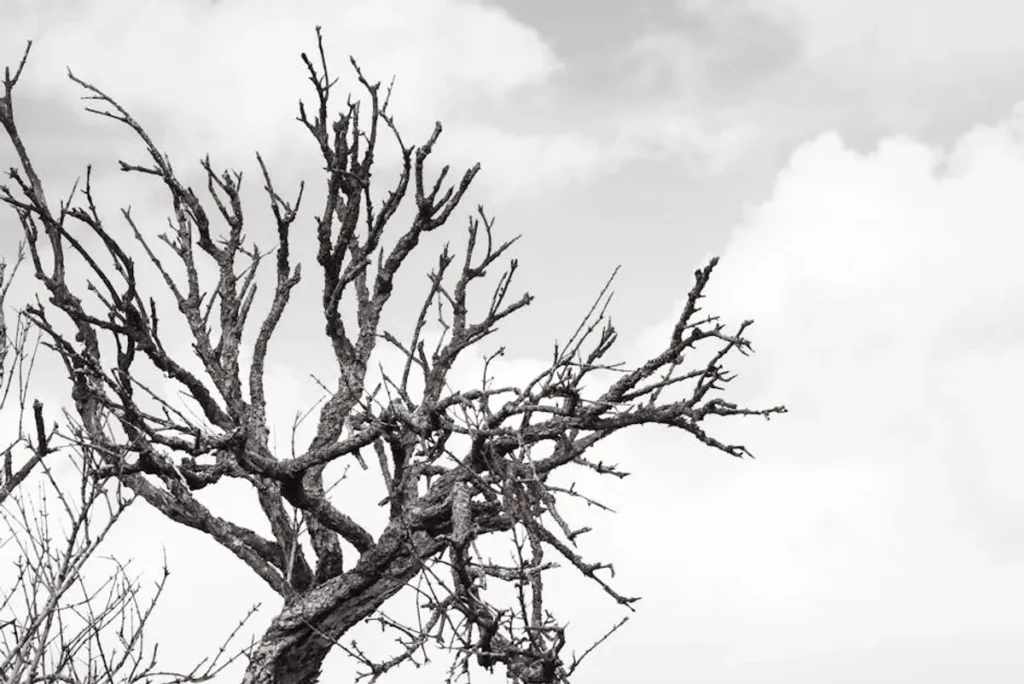
The poison tree tattoo carries a rich, often contradictory, symbolism that appeals to individuals seeking to represent complex personal narratives. Unlike more straightforward designs, the poison tree is not about singular, universally accepted meaning; instead, it thrives on duality—beauty intertwined with danger, growth with malice, and outward allure masking inner turmoil. For those considering this specific tattoo, understanding its layers allows for a more intentional and deeply personal expression, ensuring the chosen design resonates with the intended message rather than simply adopting a visually striking, yet superficial, image.

The Core Symbolism of the Poison Tree

At its foundation, the poison tree tattoo often represents hidden dangers, suppressed emotions, or the deceptive nature of appearances. It draws heavily from literary and mythological references, most notably William Blake's poem "A Poison Tree," which describes nurturing anger until it bears a "poison apple" that destroys an enemy. This literary context imbues the tattoo with a narrative of simmering resentment, unaddressed conflict, or the destructive consequences of internalizing negative emotions.

However, the symbolism extends beyond mere malice. It can also signify a profound understanding of life's darker aspects, acknowledging that beauty can conceal harm, or that growth can emerge from toxic environments. The tree itself, a universal symbol of life, growth, and connection, becomes subverted by the "poison" element, creating a powerful juxtaposition. This duality is critical for anyone considering the design, as it allows for interpretations ranging from a cautionary tale to a personal triumph over adversity.

Key Interpretations and Nuances

  • Hidden Malice or Suppressed Anger: This is the most direct interpretation, reflecting Blake's poem. It signifies the internal cultivation of negative feelings that, left unchecked, can become destructive to oneself or others.
  • Deceptive Beauty: Many poisonous plants are visually appealing. This aspect of the tattoo can represent the idea that things appearing benign or beautiful on the surface can harbor danger or toxicity underneath. It speaks to discernment and the understanding that not everything is as it seems.
  • Growth from Adversity: Paradoxically, a poison tree can symbolize resilience. It might represent an individual who has grown through difficult, toxic, or harmful experiences, emerging stronger despite the challenging environment. The "poison" becomes a part of their story, not their defeat.
  • Personal Transformation: For some, the tattoo can mark a period of significant personal change, particularly one involving shedding past toxicity or acknowledging and overcoming destructive patterns. It signifies a journey through darkness towards self-awareness.
  • Cautionary Tale: The tattoo can serve as a personal reminder of the dangers of nurturing negative thoughts or allowing toxic influences into one's life. It acts as a visual warning, both to oneself and potentially to others.

Visual Elements and Design Impact

The specific visual elements chosen for a poison tree tattoo significantly influence its overall meaning and aesthetic impact. The "tree" itself can take many forms, from abstract silhouettes to detailed botanical renditions, each adding a layer of interpretation.

Stylistic Choices and Their Meanings

  • Type of Tree: While Blake's poem mentions an "apple," the design doesn't have to be literal. A gnarled, ancient oak might convey deep-seated, long-held resentments, while a weeping willow could suggest a sorrowful, yet toxic, emotional state. Exotic or fantastical tree designs can lean into more metaphorical or personal meanings.
  • Foliage and Fruit: The presence of leaves, flowers, or fruit can further define the "poison." Bright, alluring fruits or blossoms can emphasize the deceptive beauty aspect, while withered or skeletal foliage might highlight decay or the destructive outcome of the poison. Specific poisonous plants (e.g., belladonna, hemlock, oleander) can be incorporated for their distinct symbolic associations.
  • Color Palette: Darker, muted tones (blacks, grays, deep purples, sickly greens) naturally emphasize the toxic and somber aspects. A splash of vibrant, contrasting color on a poisonous fruit or flower can heighten the sense of deceptive allure.
  • Additional Elements: Integrating other symbols can amplify or refine the message.
    • Snakes: Often associated with temptation, danger, or hidden knowledge, a snake coiling around a poison tree reinforces themes of deceit and lurking threat.
    • Skulls or Bones: These elements directly signify death, decay, and the ultimate destructive power of the "poison," whether literal or metaphorical.
    • Eyes: Hidden or prominent eyes within the foliage can suggest watchfulness, paranoia, or the internal struggle of conscience.
    • Roots: Exposed or elaborate root systems can symbolize the deep-seated nature of the "poison" or the foundational elements of one's past.

Pro Tip: Before committing to a poison tree tattoo, thoroughly research the specific plant species you might wish to depict. Different poisonous plants carry unique historical and cultural associations that can either enhance or inadvertently alter your intended message. Ensure your artist is proficient in botanical detail if precision is important to your design.

Synonyms and Related Symbolic Motifs

When exploring the poison tree concept, it's useful to consider related symbols that share thematic elements. These can either serve as alternatives or be integrated into a larger design to create a more complex narrative.

  • Forbidden Fruit: Directly linked to temptation, knowledge, and consequences, often with religious undertones of original sin or forbidden wisdom.
  • Venomous Plants: Specific plants like Deadly Nightshade (Belladonna), Hemlock, or Oleander carry their own rich histories of toxicity and often represent specific forms of danger, seduction, or execution.
  • Serpents/Vipers: Beyond physical danger, these creatures symbolize temptation, cunning, transformation, and sometimes healing (as in the Rod of Asclepius).
  • Thorns/Barbed Wire: Represent pain, protection, boundaries, or self-inflicted wounds. When combined with tree imagery, they can enhance the idea of an unwelcoming or dangerous exterior.
  • Shadows/Darkness: Abstractly, these elements can convey the hidden, unknown, or malevolent aspects often associated with the "poison" concept.

Navigating Your Tattoo Choice

Choosing a poison tree tattoo is a deeply personal process that extends beyond selecting an image; it involves articulating a narrative. The commercial value here lies in the tattoo's ability to communicate a complex personal history or philosophy without explicit words, making it a powerful statement piece.

Crafting Your Poison Tree Design

Work closely with a tattoo artist who understands symbolic imagery and can translate your personal narrative into a visual design. Provide them with specific details about what the "poison" means to you—is it past trauma, a warning against future mistakes, or a recognition of inner strength forged in adversity? Consider:

  1. Your Personal Narrative: What story do you want the tattoo to tell? Is it about overcoming, acknowledging, or warning?
  2. Aesthetic Preference: Do you prefer realism, illustrative, traditional, or abstract styles? The style will heavily influence the tattoo's mood.
  3. Placement: The location on your body can add to the meaning. A tattoo on the arm might be a visible declaration, while one on the back or chest could be a more internal, personal symbol.
  4. Scale and Detail: A small, minimalist design might offer a subtle hint, whereas a large, detailed piece allows for intricate storytelling with multiple symbolic elements.

The poison tree tattoo is not merely decorative; it's a statement. Its commercial appeal for the wearer lies in its capacity for profound, individual expression that stands apart from more common tattoo motifs, offering a unique blend of beauty, introspection, and warning.

Frequently Asked Questions

Is a poison tree tattoo always negative?

No. While it often carries connotations of danger or hidden malice, it can also symbolize growth from adversity, personal transformation, or a cautionary reminder to avoid destructive paths. The meaning is highly subjective and depends on the wearer's personal interpretation.

What are common visual elements used in poison tree tattoos?

Common elements include gnarled branches, specific poisonous plants like belladonna or hemlock, alluring but toxic fruits, skulls, snakes, or dark, muted color palettes. These elements combine to emphasize the dual nature of beauty and danger.

Can I combine a poison tree with other tattoo symbols?

Absolutely. Integrating symbols like a phoenix (rebirth), a compass (guidance), or even specific dates can enhance the narrative, adding layers of personal meaning related to overcoming challenges or navigating difficult periods.

Does the placement of the tattoo affect its meaning?

Yes, placement can subtly alter the perceived meaning. A tattoo on a highly visible area might be a public declaration, while one on a more private part of the body could represent a deeply personal or internal struggle. Discussing placement with your artist can help align it with your intended message.

marginalia from readers

Be the first to mark this page

Add to the margin

Comments are read before they post. Plain words preferred over plain links.