Poison tree tattoo meaning: Meaning, Examples, Synonyms, and How to Use It
Understand the complex symbolism of poison tree tattoos, balancing beauty and danger. This guide explores meanings, examples, and related symbols for informed.

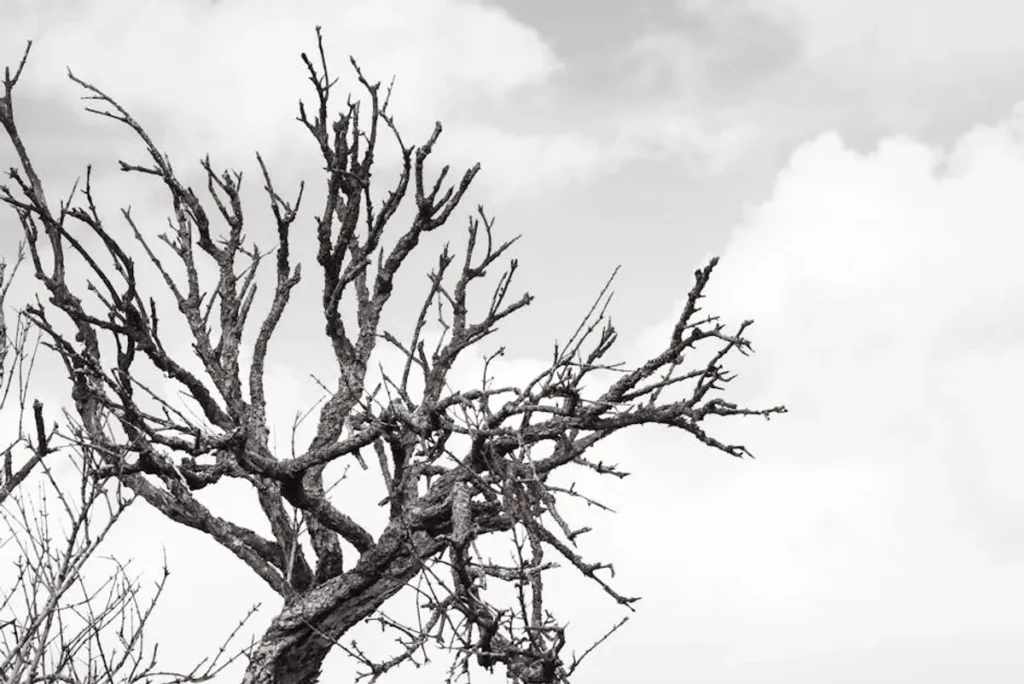
Understand the complex symbolism of poison tree tattoos, balancing beauty and danger. This guide explores meanings, examples, and related symbols for informed.
The poison tree tattoo carries a rich, often contradictory, symbolism that appeals to individuals seeking to represent complex personal narratives. Unlike more straightforward designs, the poison tree is not about singular, universally accepted meaning; instead, it thrives on duality—beauty intertwined with danger, growth with malice, and outward allure masking inner turmoil. For those considering this specific tattoo, understanding its layers allows for a more intentional and deeply personal expression, ensuring the chosen design resonates with the intended message rather than simply adopting a visually striking, yet superficial, image.
At its foundation, the poison tree tattoo often represents hidden dangers, suppressed emotions, or the deceptive nature of appearances. It draws heavily from literary and mythological references, most notably William Blake's poem "A Poison Tree," which describes nurturing anger until it bears a "poison apple" that destroys an enemy. This literary context imbues the tattoo with a narrative of simmering resentment, unaddressed conflict, or the destructive consequences of internalizing negative emotions.
However, the symbolism extends beyond mere malice. It can also signify a profound understanding of life's darker aspects, acknowledging that beauty can conceal harm, or that growth can emerge from toxic environments. The tree itself, a universal symbol of life, growth, and connection, becomes subverted by the "poison" element, creating a powerful juxtaposition. This duality is critical for anyone considering the design, as it allows for interpretations ranging from a cautionary tale to a personal triumph over adversity.
The specific visual elements chosen for a poison tree tattoo significantly influence its overall meaning and aesthetic impact. The "tree" itself can take many forms, from abstract silhouettes to detailed botanical renditions, each adding a layer of interpretation.
Pro Tip: Before committing to a poison tree tattoo, thoroughly research the specific plant species you might wish to depict. Different poisonous plants carry unique historical and cultural associations that can either enhance or inadvertently alter your intended message. Ensure your artist is proficient in botanical detail if precision is important to your design.
When exploring the poison tree concept, it's useful to consider related symbols that share thematic elements. These can either serve as alternatives or be integrated into a larger design to create a more complex narrative.
Choosing a poison tree tattoo is a deeply personal process that extends beyond selecting an image; it involves articulating a narrative. The commercial value here lies in the tattoo's ability to communicate a complex personal history or philosophy without explicit words, making it a powerful statement piece.
Work closely with a tattoo artist who understands symbolic imagery and can translate your personal narrative into a visual design. Provide them with specific details about what the "poison" means to you—is it past trauma, a warning against future mistakes, or a recognition of inner strength forged in adversity? Consider:
The poison tree tattoo is not merely decorative; it's a statement. Its commercial appeal for the wearer lies in its capacity for profound, individual expression that stands apart from more common tattoo motifs, offering a unique blend of beauty, introspection, and warning.
No. While it often carries connotations of danger or hidden malice, it can also symbolize growth from adversity, personal transformation, or a cautionary reminder to avoid destructive paths. The meaning is highly subjective and depends on the wearer's personal interpretation.
Common elements include gnarled branches, specific poisonous plants like belladonna or hemlock, alluring but toxic fruits, skulls, snakes, or dark, muted color palettes. These elements combine to emphasize the dual nature of beauty and danger.
Absolutely. Integrating symbols like a phoenix (rebirth), a compass (guidance), or even specific dates can enhance the narrative, adding layers of personal meaning related to overcoming challenges or navigating difficult periods.
Yes, placement can subtly alter the perceived meaning. A tattoo on a highly visible area might be a public declaration, while one on a more private part of the body could represent a deeply personal or internal struggle. Discussing placement with your artist can help align it with your intended message.
Be the first to mark this page