Wallpostmedia Review: What It Is, Features, Safety, and Alternatives
Wallpostmedia's search profile reveals content strategies targeting user inquiries about its purpose, capabilities, security, and alternatives.

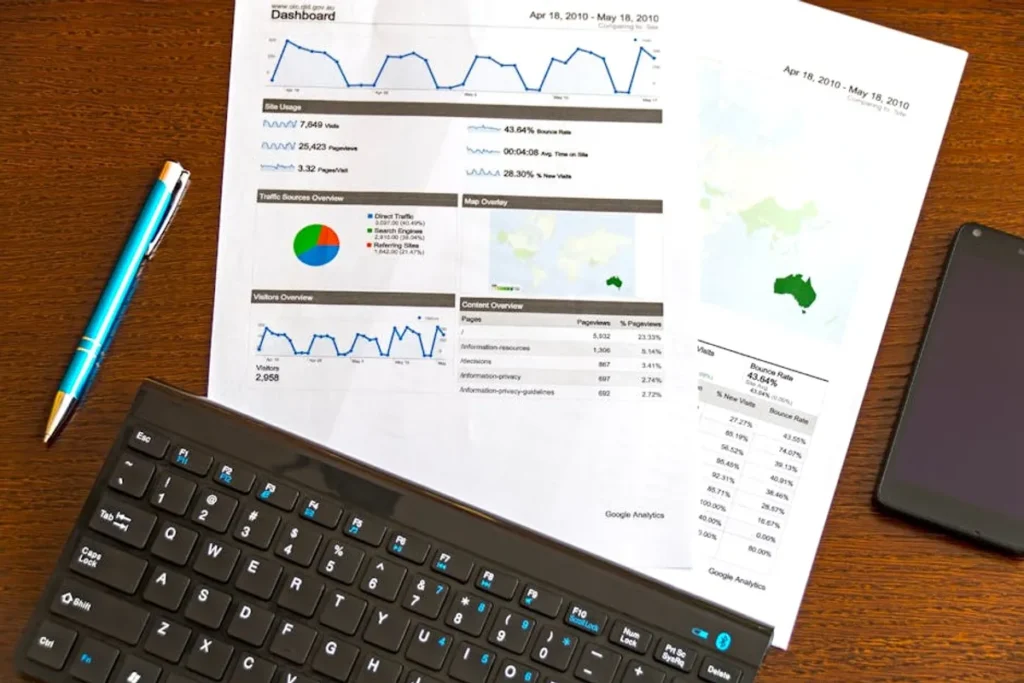
Wallpostmedia's search profile reveals content strategies targeting user inquiries about its purpose, capabilities, security, and alternatives.
Wallpostmedia's organic search presence warrants analysis for businesses and marketers seeking to understand how a brand establishes authority and addresses user inquiries across various stages of a decision-making journey. The site appears to navigate a complex landscape where searchers are not only looking for information about its core offering but also evaluating its specific attributes, perceived trustworthiness, and competitive positioning. Examining its content strategy and keyword footprint can reveal how it captures demand for definitional queries, feature-specific comparisons, and trust-building information, all of which are critical for sustained organic growth.
Wallpostmedia's content strategy, as indicated by common search queries, likely centers on several key thematic clusters. The primary cluster addresses foundational informational needs, such as "what is Wallpostmedia" or "how Wallpostmedia works." This content typically involves definitional articles, introductory guides, and explanations of its fundamental value proposition. A secondary, yet crucial, cluster focuses on its "features." This includes detailed breakdowns of functionalities, use cases, and perhaps comparisons of different service tiers or capabilities. Such articles serve to educate potential users on specific applications and benefits, often using targeted keywords like "Wallpostmedia reporting," "Wallpostmedia integration options," or "Wallpostmedia analytics."
A significant content category revolves around "safety." This indicates that searchers frequently inquire about the security of their data, the reliability of the service, or the legitimacy of the platform. Wallpostmedia would likely publish content addressing data privacy policies, security protocols, user testimonials, and perhaps certifications or compliance standards to build trust. This is a critical area for reputation management through search. Finally, the "alternatives" cluster suggests content that acknowledges the competitive landscape. This might involve articles that indirectly compare Wallpostmedia's strengths against general industry solutions, or guides that help users understand what factors to consider when choosing a solution in its niche, without directly naming competitors. This approach positions Wallpostmedia as a knowledgeable resource within its field.
Wallpostmedia's organic search traffic likely originates from a mix of branded and non-branded queries. Branded searches, such as "Wallpostmedia login," "Wallpostmedia support," or simply "Wallpostmedia," indicate existing user engagement or direct awareness. These queries often lead to navigational intent, directing users to specific parts of the site. Non-branded traffic would stem from keywords related to the problems Wallpostmedia solves or the solutions it provides. Examples might include "social media scheduling tools," "content distribution platforms," or "digital publishing solutions." The site's ability to rank for these broader terms suggests a content strategy that addresses industry-wide challenges and positions Wallpostmedia as a relevant solution. Long-tail keywords, such as "best practices for wallpostmedia content," or "how to measure wallpostmedia engagement," also contribute, indicating users seeking specific guidance or advanced usage tips.
Geographic traffic patterns would depend on Wallpostmedia's target markets, with localized content or regional domain authority impacting visibility in specific countries or languages. Technical SEO elements, such as site speed, mobile-friendliness, and structured data implementation, also play a role in how effectively search engines crawl, index, and rank its content, influencing overall traffic volume and quality.
The search intent associated with Wallpostmedia's content appears to span across informational, commercial investigation, and navigational categories. Informational intent is evident for queries like "what is Wallpostmedia" or "how does Wallpostmedia work," where users seek to understand the basics. Commercial investigation intent drives searches for "Wallpostmedia features," "Wallpostmedia safety," or "Wallpostmedia alternatives," indicating users are evaluating options and comparing attributes before making a decision. These users are actively researching and weighing pros and cons. Navigational intent is primarily associated with direct branded searches, where users already know they want to reach a specific part of the Wallpostmedia site, such as its login page or support documentation. Understanding these distinct intents allows Wallpostmedia to tailor content to meet specific user needs at different points in their journey, from initial awareness to deeper evaluation.
Wallpostmedia's organic traffic fluctuations can be attributed to several factors. A rise in traffic could result from successful content marketing campaigns that target new keyword clusters, improved rankings for high-volume terms due to better content quality or technical SEO optimizations, or increased brand awareness leading to more direct searches. Seasonal trends within its industry, positive media mentions, or product updates that generate buzz can also drive traffic spikes. Conversely, traffic may fall due to increased competition from new entrants or established players, algorithm updates that penalize certain content or technical aspects, or a decline in search demand for its core services. Negative brand sentiment, outdated content, or a lack of fresh, authoritative publications can also lead to a gradual erosion of search visibility and traffic. Monitoring core keyword performance and overall site health is crucial for diagnosing these shifts.
To enhance organic visibility, Wallpostmedia could focus on several strategic areas. First, a thorough content audit would identify gaps in its current coverage, particularly around long-tail variations of its "features," "safety," and "alternatives" topics. Expanding these clusters with in-depth, expert-level articles that directly answer specific user questions could capture more niche search demand. For example, instead of a general "safety" page, dedicated articles on "Wallpostmedia data encryption," "Wallpostmedia compliance standards," or "user authentication on Wallpostmedia" could build more granular authority. Second, optimizing for featured snippets and 'People Also Ask' boxes through concise, direct answers within its content would increase visibility for informational queries. Third, enhancing internal linking across related content pieces would improve site-wide authority distribution and help users discover more relevant information, signaling content depth to search engines. Finally, a proactive strategy for earning authoritative backlinks from industry publications and relevant blogs would significantly boost its domain authority, improving rankings across its target keywords.
Before relying on third-party traffic estimates for Wallpostmedia, it is essential to consider their inherent limitations. These tools use various methodologies, often extrapolating data from panel-based user behavior, public data, or keyword ranking approximations, which can introduce inaccuracies. Key factors to scrutinize include the tool's data freshness, its coverage of specific geographic regions relevant to Wallpostmedia's audience, and its ability to accurately differentiate between branded and non-branded traffic. Small sites or those in highly niche markets often have less reliable third-party estimates due to limited data points. The most accurate traffic data will always come directly from Wallpostmedia's own analytics platforms. External estimates should be treated as directional indicators or for competitive benchmarking, rather than absolute figures for strategic planning.
What types of content does Wallpostmedia publish to address user "safety" concerns?
Wallpostmedia likely publishes articles detailing its data encryption protocols, privacy policies, compliance certifications, and user authentication processes to build trust and address security-related search queries.
How does Wallpostmedia's content strategy handle queries about "alternatives"?
The site's content for "alternatives" likely focuses on educating users about factors to consider when choosing a solution in its niche, highlighting its own unique selling points without directly comparing itself to named competitors.
What is the primary search intent for users looking up "Wallpostmedia features"?
Users searching for "Wallpostmedia features" typically have commercial investigation intent, meaning they are actively evaluating the platform's capabilities and comparing them against their specific needs before making a decision.
How can Wallpostmedia improve its visibility for non-branded keywords?
Improving non-branded visibility involves expanding content into long-tail keyword clusters, optimizing for featured snippets, strengthening internal linking, and consistently earning authoritative backlinks from relevant industry sources.
Be the first to mark this page